
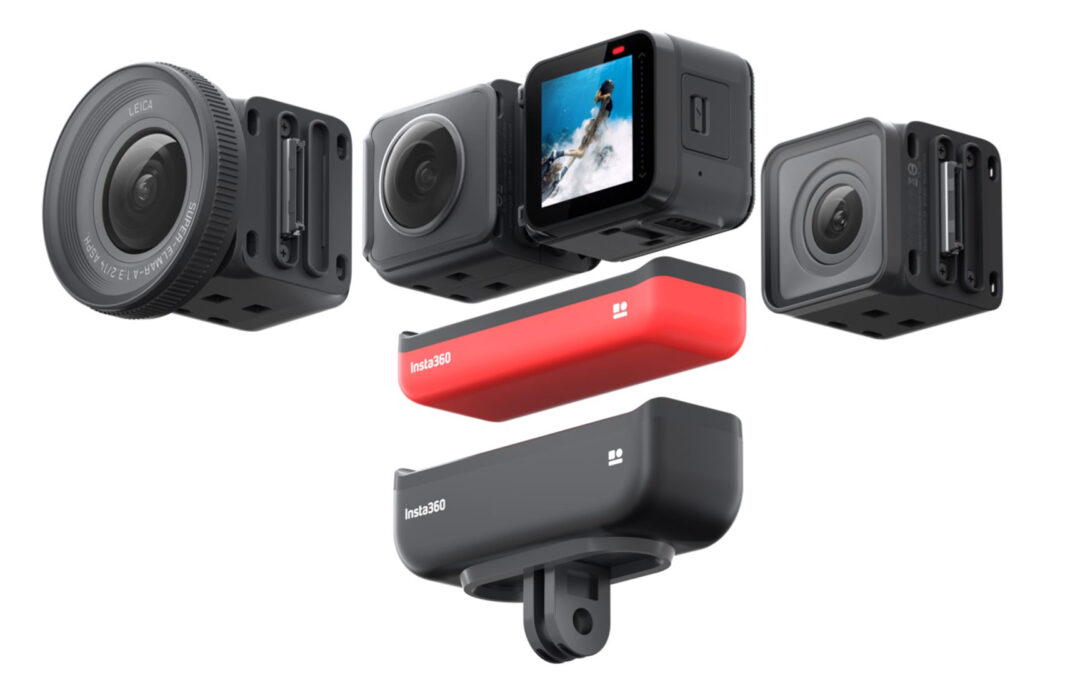
The video production world is buzzing with innovation, and one of the most exciting developments in 2025 is the rise of modular camera systems.
These versatile setups, like Blackmagic’s PYXIS 6K or RED’s Komodo-X, allow filmmakers to customize their rigs for specific shoots, balancing portability, quality, and budget. If you’re a videographer looking to stay ahead, understanding how to leverage modular systems can transform your workflow. Here’s a deep dive into why they matter and how to use them effectively.
Modular camera systems are designed with flexibility in mind. Unlike traditional all-in-one cameras, modular systems let you swap components like lenses, sensors, or accessories to suit your project. For example, Blackmagic’s PYXIS 6K offers a boxy, customizable design with interchangeable lens mounts (LPL, PL, or EF) and supports add-ons like external monitors or battery grips. This adaptability makes it ideal for everything from indie films to corporate videos. Similarly, RED’s modular ecosystem lets you scale up with accessories like wireless follow-focus systems or down for run-and-gun shoots.
The key tip for getting the most out of modular systems is to build a rig tailored to your shoot’s needs. Start by defining your project’s goals. Are you shooting a cinematic short film requiring shallow depth of field? Opt for a prime lens with a low f-stop (e.g., f/1.4) and a high-resolution sensor. Need a lightweight setup for a documentary? Pair a compact body like the Komodo-X with a versatile zoom lens and a cage for handheld stability. Accessories like matte boxes, external recorders, or gimbals can be added or removed as needed, keeping your setup lean and efficient.
A major advantage of modular systems is cost-effectiveness. Instead of buying multiple cameras, you invest in one body and upgrade components over time. For instance, you can start with a basic setup (camera body, lens, and battery) and later add a high-end monitor or SSD recorder as your budget grows. This scalability is perfect for freelancers or small production houses. In 2025, brands like Z Cam and Kinefinity are also offering affordable modular options, with prices starting around $2,500 for a 4K-capable body.
To make the most of your system, plan your rig before each shoot. Create a checklist: sensor size for desired image quality, lens type for creative control, and accessories for functionality (e.g., ND filters for bright outdoor shoots). Test your setup in advance to avoid on-set hiccups. For example, ensure your external recorder supports your camera’s output resolution (e.g., 6K RAW) and that your battery lasts for long takes. Software like DaVinci Resolve (free with Blackmagic cameras) can streamline post-production, especially for RAW workflows.
Modular systems also shine in hybrid shoots combining video and stills. Many, like the Canon C70 with an RF-to-EF adapter, support both high-quality video and photography lenses, reducing the need for multiple cameras. However, be mindful of weight—fully rigged systems can get heavy. Use lightweight cages or shoulder mounts for comfort during long shoots.
Stay updated on firmware releases, as manufacturers like Blackmagic and RED frequently improve performance via software. Join online communities on platforms like X or Reddit to learn from other filmmakers about new accessories or workflows. For example, recent posts on X highlight the PYXIS 6K’s improved dynamic range after a firmware update in early 2025.
Modular camera systems are revolutionizing video production by offering unmatched flexibility. By carefully selecting components and planning your rig, you can create a setup that adapts to any project, saving time and money while delivering stunning results. Dive into the modular world, and your next shoot will be more efficient and creative than ever.
Contact
Interested in exploring creative possibilities with Dream Maker Media? Send us a message!